Parts and Suppliers
Cores and core deposits
Add core charges to a part, bill the deposit on the RO, and credit the customer back when the old core is returned.
A core is the rebuildable old part the supplier wants back, like an alternator, starter, or caliper. The supplier charges you a refundable core deposit until you return it. Pista tracks that deposit through the whole cycle so you bill it, recover it, and never lose money on a core that walks out the door.
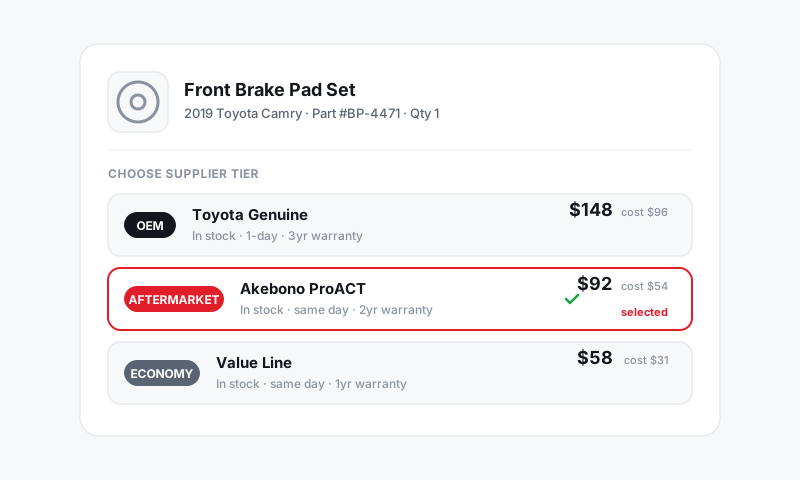
How a core charge works
- You buy a remanufactured part. The supplier adds a core charge on top of the part cost.
- You pass that core deposit to the customer on the RO.
- The customer's old part becomes the core. You hand it to the supplier.
- The supplier credits the deposit back, and you credit the customer.
The deposit is a temporary hold, not profit. Tracking it cleanly is the difference between a tidy ledger and a slow leak.
Add a core charge to a part
- In the job, add the part as usual. See Adding parts to a ticket.
- If the part carries a core, Pista shows a core charge field on the line. Confirm or enter the deposit amount.
- The core charge appears as its own line item so the customer sees the part price and the refundable deposit separately.
Good to know: A core charge is not marked up. It is a straight pass-through deposit, so what you charge the customer matches what the supplier charged you. Pista keeps it out of your parts gross profit on purpose.
Bill the deposit, then credit it back
- The core deposit is included in the RO total, so the customer pays it at checkout along with the repair.
- When the old core is returned to the supplier and they credit your account, open the RO or the customer record and mark the core returned.
- Pista issues the core credit back to the customer for the deposit amount.
If the customer wants their old part instead of returning it, skip the credit. The deposit stays billed because you cannot return the core.
Track outstanding cores
Cores in limbo are money sitting on a shelf. To stay on top of them:
- Filter your parts or RO view for lines with an open core.
- Batch them by supplier for your next return run.
- Mark each one returned as the supplier credits you.
Tips
- Return cores fast. Many suppliers cap the return window, and a missed deadline means you eat the deposit.
- Keep the old part bagged and tagged with the RO number until it ships back. A mismatched core is a denied credit.
- Reconcile core credits against your supplier statements so nothing falls through. See Inventory and Purchasing.
Still have a question about cores and core deposits?
Contact support